Reputation · Trust · AI · Leverage · User Opinions
“Sourced for trust.”
Enterprise Trust Reports · 10 min read
AI and the Gatling gun: supremacy is on queue — land and labour were yesterday’s prizes, now it is jobs, money and corporate dominance
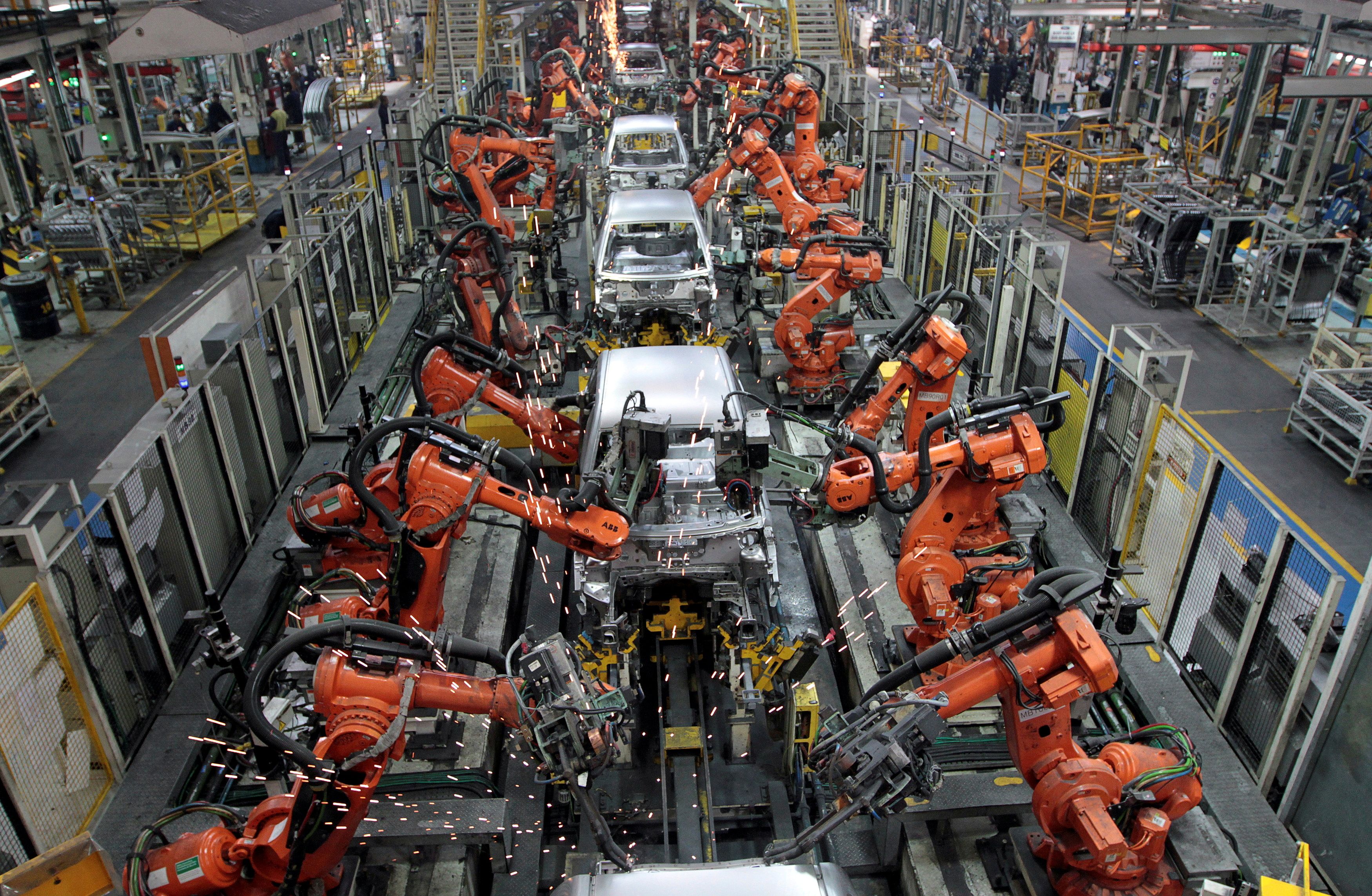
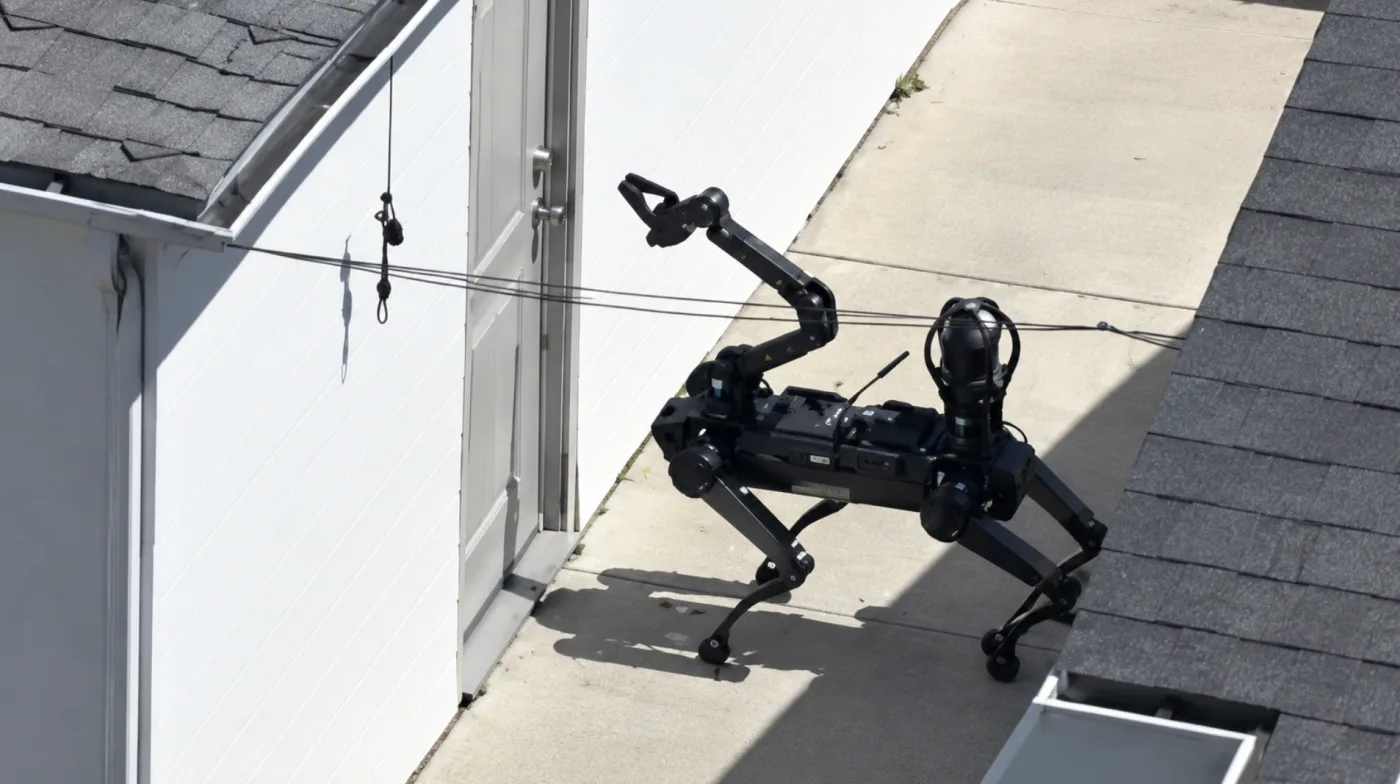
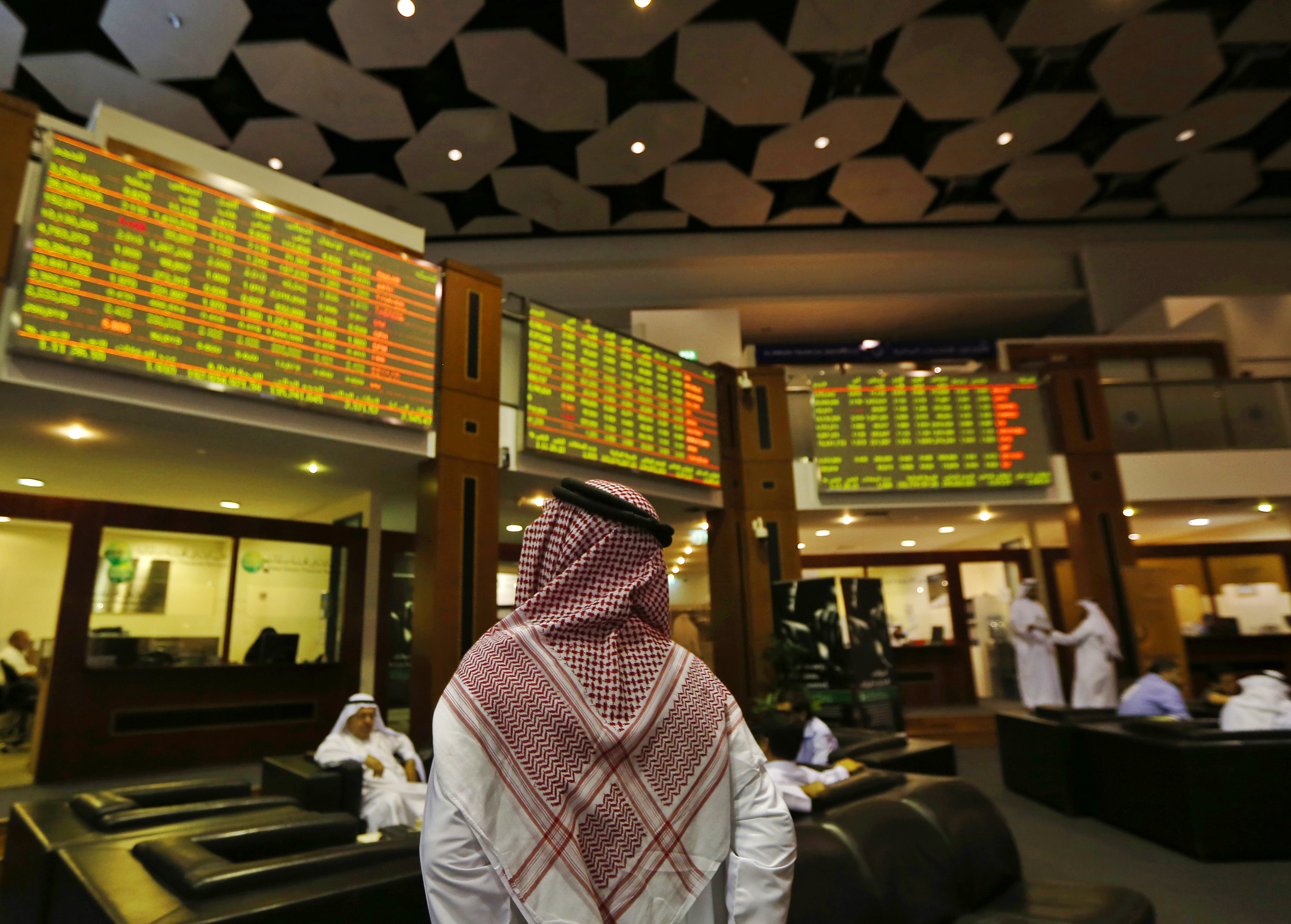
The industrial age rewarded control of land, labour, factories and shipping routes. The AI age may reward control of something less visible but potentially just as powerful: chips, cloud infrastructure, models, data and the systems through which other countries work and trade. The struggle is no longer only over territory. It is increasingly over who owns the intelligence that can replace labour, redirect profits and determine which companies dominate the next economy.
As data capture matures into predictive AI, RRSource Paper No. 003 asks who controls the interpretation of your data — and who decides what you become once a machine believes it already knows.
Every day, decisions are increasingly shaped by data we didn't create and algorithms we can't inspect. RRSource Paper No. 002 asks who controls the record behind your reputation — and who gets to correct it when it's wrong.
As automation increasingly decides who is hired, funded, investigated or trusted, RRSource Paper No. 001 asks what happens to people poorly represented or misclassified by the data — and argues that evidence-linked Reputation Records are one way to make those decisions transparent and contestable.
AI is entering healthcare, criminal justice and risk assessment — but some decisions, like abortion and capital punishment, aren't just prediction problems. RRSource Paper No. 005 asks where AI's usefulness ends and human moral responsibility must begin.
Identity tells you who someone is. Credit tells you how they manage money. A Reputation Record tells you how they have behaved when trust was on the line.
A professional driver can cross countries, companies and agencies while carrying a licence, qualifications and tachograph card. What does not necessarily travel with them is a coherent account of the working history behind those credentials. In a global industry struggling to recruit millions of drivers, the missing record may not be identity or qualification — but continuity of reputation.
A New York Fashion Week protest lasted minutes. The reputational consequences arrived almost immediately. After CFDA chief Steven Kolb was filmed physically restraining animal-rights protesters at a COS runway show, he apologised and went on leave pending a review — showing how quickly an instinctive response can become the bigger story.
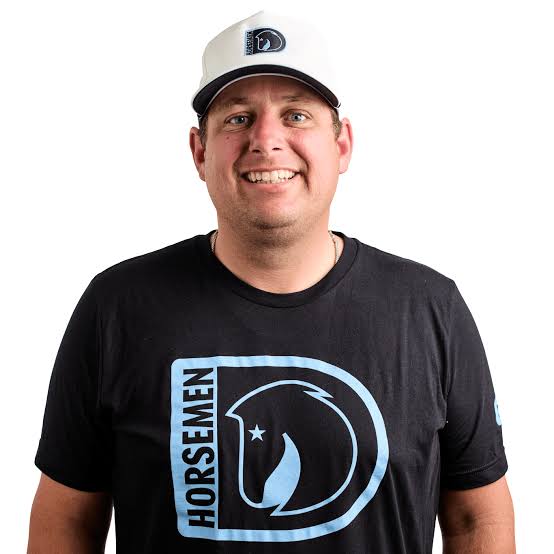
Good Good Golf spent years building one of golf’s most recognisable creator brands. Then a short advertisement triggered backlash, apologies, a broken partnership, retailer action and leadership departures. The episode shows how quickly a marketing mistake can become a wider reputation crisis.
Most references confirm dates and little else. That is not a failure of the people giving them — it is how the system is designed. Here is why, and what fills the gap.
Dating apps were built to make strangers discoverable. AI, reverse-image search, facial recognition and persistent digital traces are making them discoverable in ways many users never intended. For women in particular, the problem is no longer simply whether a dating profile is private. It is whether a photograph, first name or fragment of biography can be connected to a workplace, social account or home life outside the app.
HGV employers can check licences, qualifications, penalty points, CPC training and tachograph compliance. Yet those checks still leave a harder question unanswered: what has this driver actually been like to work with over time? In a high-risk industry built on movement, the gap between legal eligibility and professional reputation may be wider than many employers realise.
A homeowner pays a deposit, the contractor stops turning up and communication breaks down. This fictionalised example shows how the dispute was documented and resolved.
A landlord claims a damaged kitchen worktop. The tenant says it was already marked. This fictionalised example follows the dispute from report to resolution.
When I lost my job, he told me to pay when I could. Nine years later he was standing in my doorway with two suitcases, asking if the flat upstairs was still free.
Fourteen years ago, a landlord put my things in bin bags on the pavement. Last spring, I had to decide whether to give a stranger the chance nobody gave me.
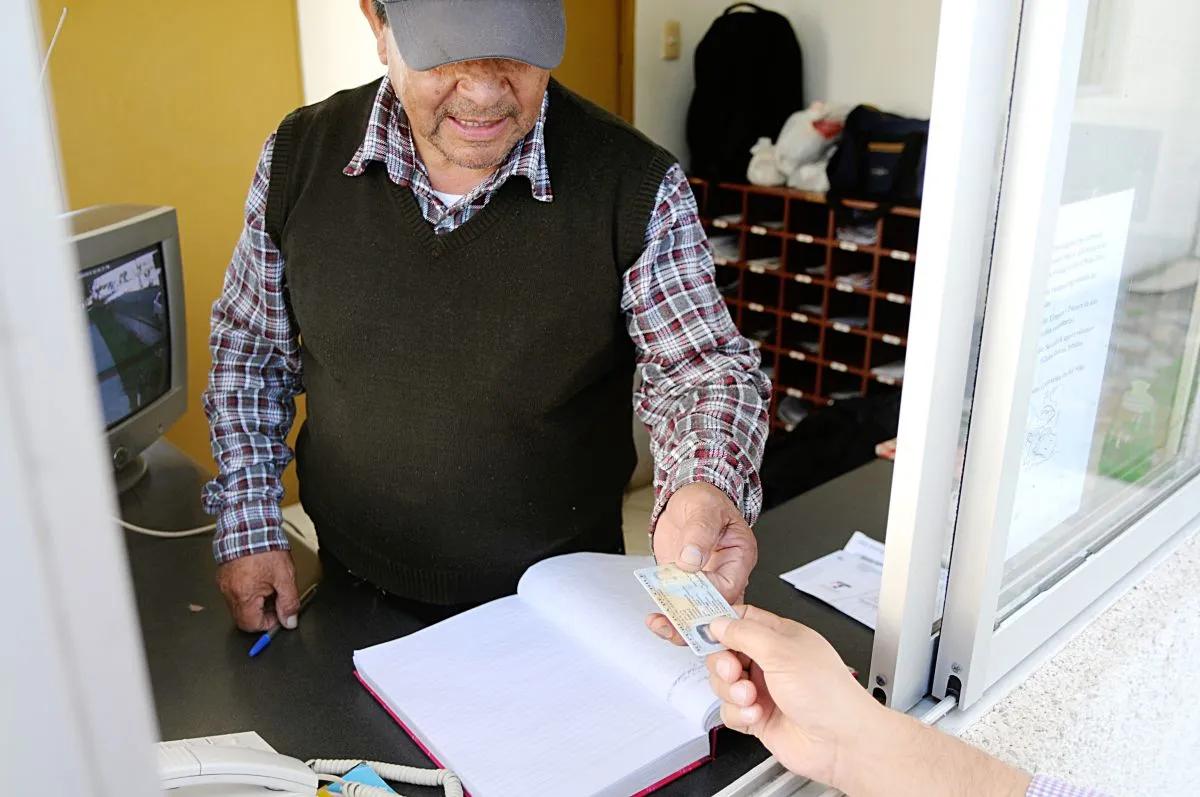
The newest scams do not always look suspicious. They arrive wearing the identity of banks, businesses, government agencies and people you already trust. As impersonation fraud becomes more convincing, the real defence is no longer asking whether something looks genuine — but whether it can be independently verified.
Former Apollo Global Management executive Imran Siddiqui has acknowledged that he improperly sent and received confidential Athene documents while helping establish rival insurer Caldera Holdings. The admission, made as part of a confidential settlement ending litigation that began in 2018, raises a broader question for employers: what should follow senior executives after they leave a company — and how should professional trust be recorded when conduct emerges years later?
Reference checks are near-universal, yet decades of research suggest they predict job performance only modestly. We review the evidence and what it means.
In 2016, 84% of surveyed consumers said they trusted online reviews as much as personal recommendations. By 2025, that figure was 42%. We review the evidence.
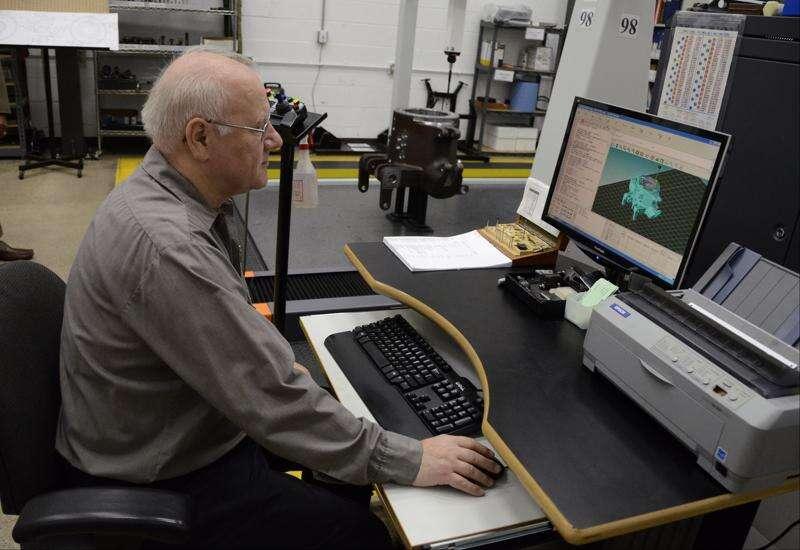
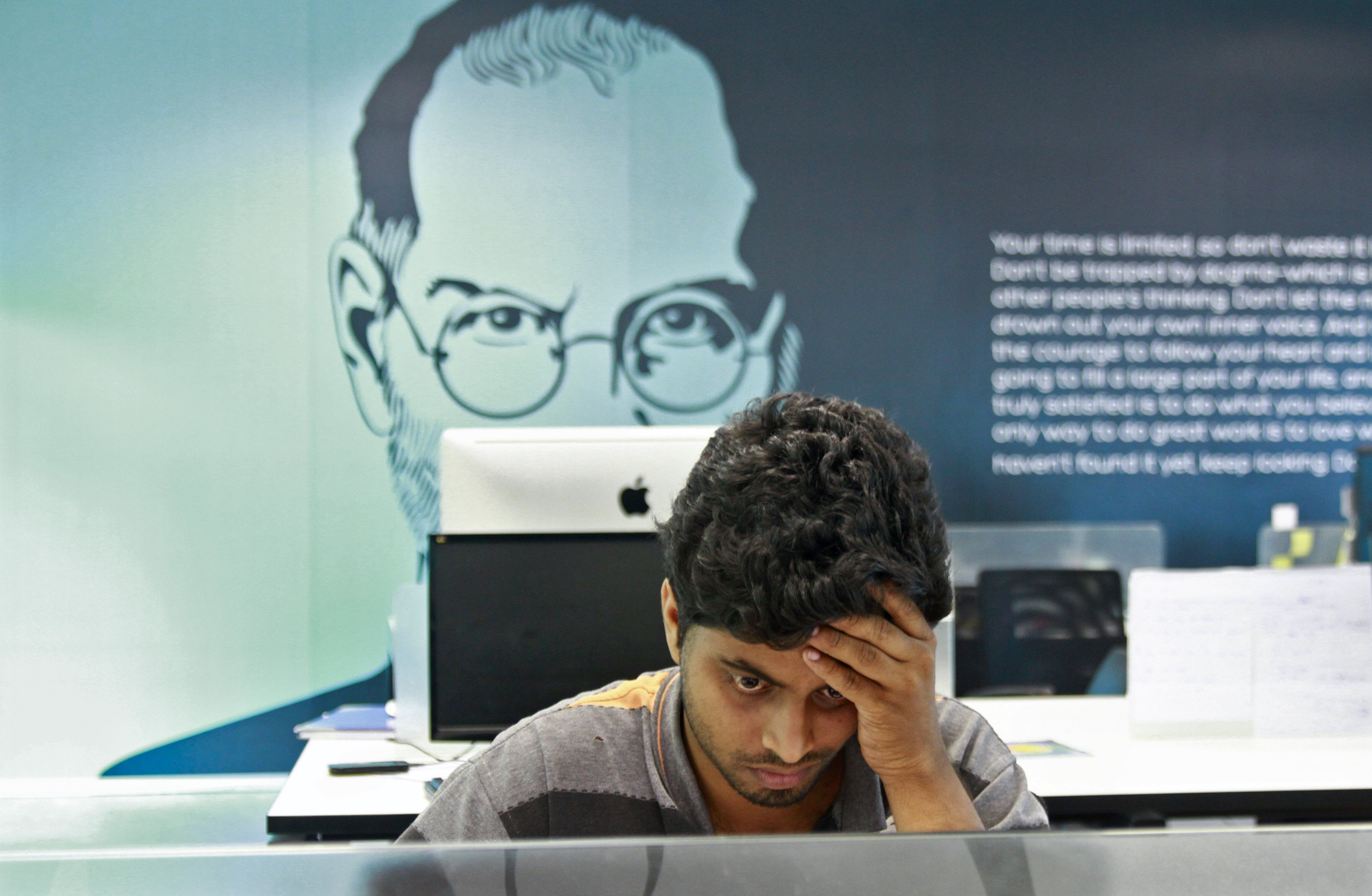
For decades, India built one of the world’s most important export industries by supplying skilled digital labour to Western companies. Artificial intelligence is beginning to challenge that bargain. If software can perform more coding, support, research and back-office work with fewer people, the risk is not simply that India loses jobs. It is that more of the value shifts toward the countries and companies that own the models, chips, cloud infrastructure and capital behind the automation.
Saudi Arabia has spent heavily on defence, alliances and sophisticated weapons, yet the Houthis have repeatedly shown how a far poorer force can create strategic pressure through geography, endurance, missiles, drones and control of critical routes. The lesson reaches beyond Yemen: money can buy capability, but leverage depends on whether that capability can still change the behaviour of the other side.
The Disclosure and Barring Service has launched a new campaign urging parents and carers to look beyond informal recommendations when hiring self-employed workers and personal employees. The move follows rule changes that widened access to Enhanced DBS checks for some eligible workers, but the agency is also stressing that criminal-record information should be only one part of a broader hiring decision.
AI can write your biography, polish your CV, generate a convincing photograph, answer messages in your voice and even construct a synthetic identity. But reputation is supposed to come from something much harder to fabricate: what other people can verify about how you actually behaved over time. As artificial intelligence becomes capable of producing the appearance of credibility, the difference between a manufactured persona and an earned reputation is becoming critical.
We trust professional drivers with enormous vehicles, valuable cargo and thousands of miles of public road. Their licences can be checked. Their hours can be recorded. Their vehicles can be inspected. But how much of the driver’s actual professional history follows them from employer to employer? The answer exposes an uncomfortable gap between being legally permitted to drive and being genuinely known.
AI has made convincing synthetic images ordinary. Apple’s new Reference Image system is an attempt to restore something photography is rapidly losing: a verifiable connection between an image, a real camera sensor and a specific period in time. But proving where a photograph came from is not the same as proving what happened.
Prediction markets are becoming a serious financial business just as AI systems grow better at forecasting everything from elections and sports to markets and weather. Kalshi and Polymarket can turn collective expectations into probabilities, while machines can process more signals than any individual bettor. Yet neither removes the thing every wager ultimately depends on: an event that has not happened yet.
Sydney Sweeney’s provocative Novig campaign delivered enormous attention — and a backlash from female athletes who said it sexualised women in sport. Because Sweeney is also a strategic partner and equity holder, the controversy raises a bigger question: when does celebrity reach stop being an asset and start becoming a reputation risk?
Cracker Barrel’s attempt to modernise its familiar identity triggered a backlash that quickly became bigger than a logo. The old design returned within days, but weaker traffic, lingering customer distrust and a later leadership change showed how difficult it can be to rebuild confidence once a heritage brand appears to lose touch with what customers value.
Denzel Washington has spent decades at the centre of the entertainment industry without allowing Hollywood to become the centre of his worldview. Now, as artificial intelligence begins to challenge some of the assumptions on which filmmaking has been built, his warnings about technology, influence and human creativity sound unusually timely.
Star ratings were meant to make trust simple. Fake reviews, missing context and no right of reply have made them unreliable. Here is what better looks like.