Reputation · Trust · AI · Leverage · User Opinions
“Sourced for trust.”
Trust Case Studies · 10 min read
‘You took my obscurity away’: women on Tinder reckon with the end of dating anonymity
Dating apps were built to make strangers discoverable. AI, reverse-image search, facial recognition and persistent digital traces are making them discoverable in ways many users never intended. For women in particular, the problem is no longer simply whether a dating profile is private. It is whether a photograph, first name or fragment of biography can be connected to a workplace, social account or home life outside the app.
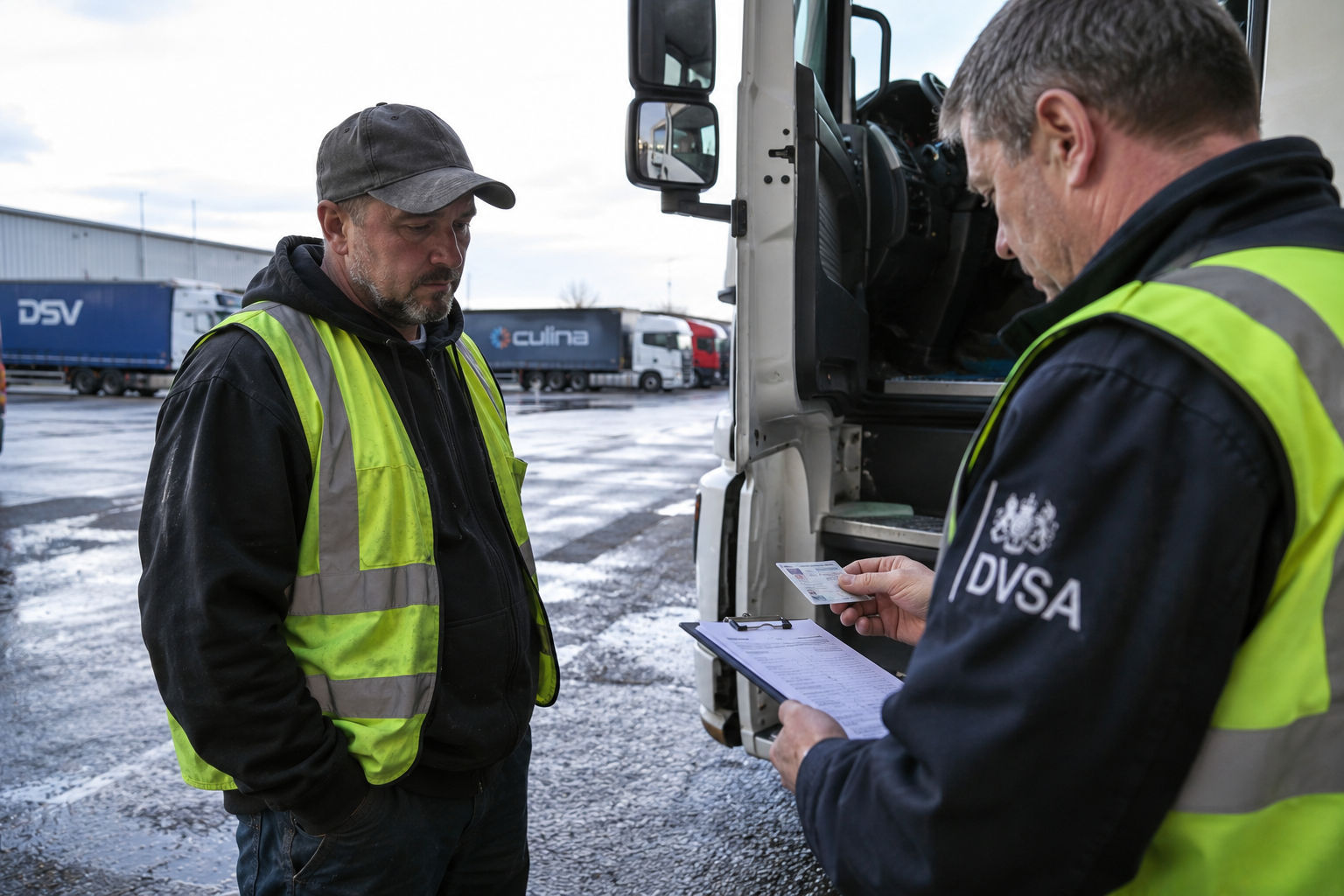
HGV employers can check licences, qualifications, penalty points, CPC training and tachograph compliance. Yet those checks still leave a harder question unanswered: what has this driver actually been like to work with over time? In a high-risk industry built on movement, the gap between legal eligibility and professional reputation may be wider than many employers realise.
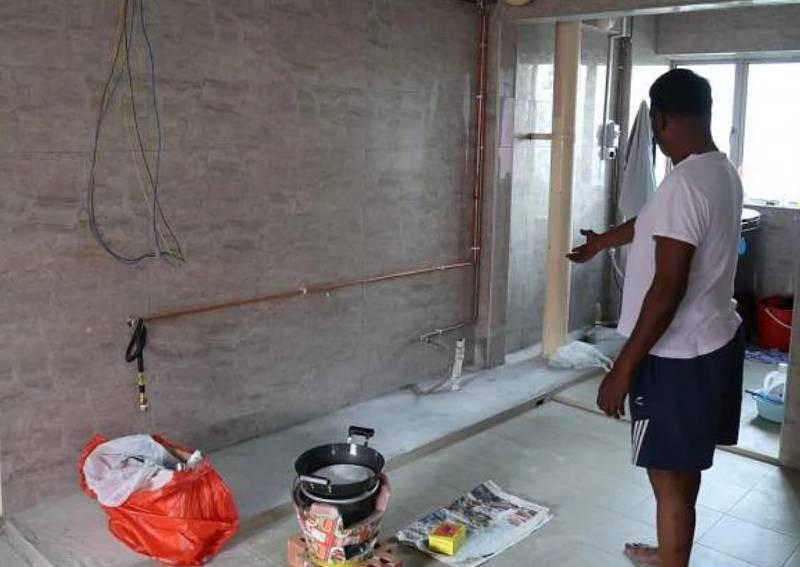
A homeowner pays a deposit, the contractor stops turning up and communication breaks down. This fictionalised example shows how the dispute was documented and resolved.
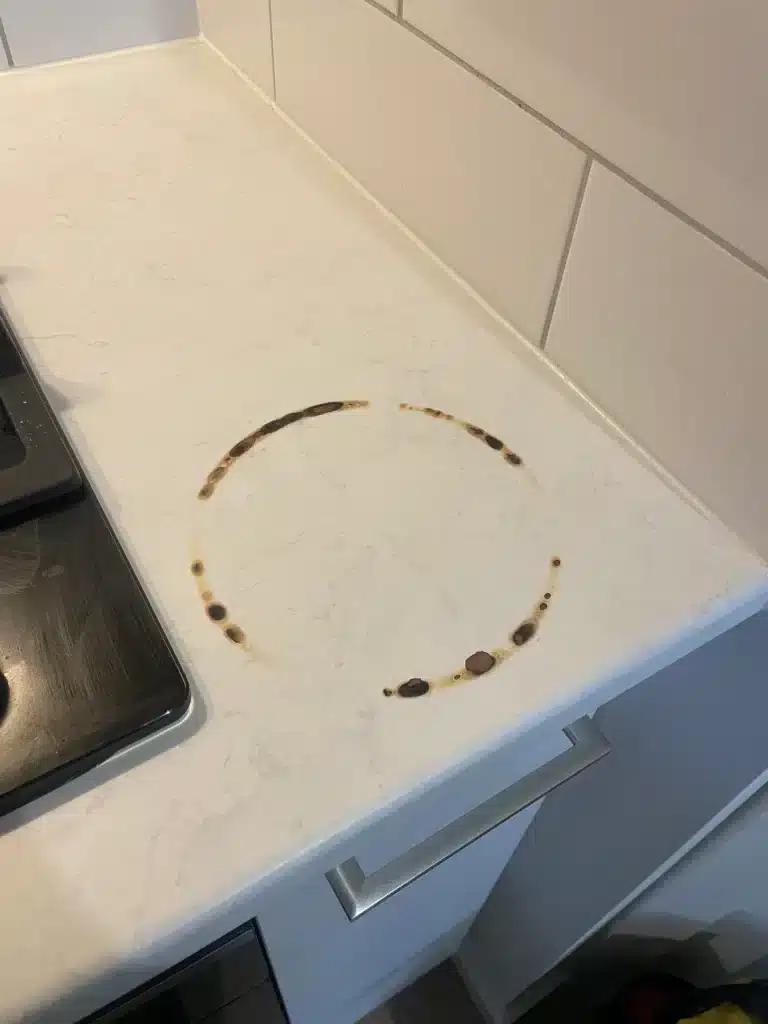
A landlord claims a damaged kitchen worktop. The tenant says it was already marked. This fictionalised example follows the dispute from report to resolution.
When I lost my job, he told me to pay when I could. Nine years later he was standing in my doorway with two suitcases, asking if the flat upstairs was still free.
Fourteen years ago, a landlord put my things in bin bags on the pavement. Last spring, I had to decide whether to give a stranger the chance nobody gave me.
I thought the worst thing I would find was damage. Then the officer told me they had found a boy inside, and that the door had been locked from the outside.